Laparoscopic Management of Stress Incontinence Lecture by Dr R K Mishra
Add to
Share
749 views
Report
1 year ago
Description
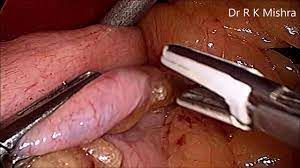
Stress urinary incontinence (SUI) is a common condition affecting millions of women worldwide, significantly impacting quality of life. It is characterized by the involuntary leakage of urine during activities that increase intra-abdominal pressure, such as coughing, sneezing, or physical exertion. Advances in minimally invasive surgery have revolutionized the management of this condition, offering patients effective treatment with faster recovery and minimal complications. Dr. R K Mishra, a pioneer in laparoscopic and robotic surgery, recently delivered an insightful lecture on the laparoscopic management of stress incontinence. In this lecture, he highlighted the evolution of surgical techniques for SUI, focusing on minimally invasive approaches that enhance patient safety and outcomes. Key points from Dr. Mishra’s lecture included: Understanding Stress Incontinence Etiology and pathophysiology of SUI. Risk factors, including age, parity, and pelvic floor weakness. Importance of proper patient evaluation, including urodynamic studies, to determine the most suitable surgical approach. Conventional vs. Laparoscopic Techniques Traditional open surgeries vs. minimally invasive options. Advantages of laparoscopy: smaller incisions, reduced postoperative pain, quicker return to daily activities, and improved cosmetic outcomes. Laparoscopic Procedures for SUI Laparoscopic Burch colposuspension: Techniques, indications, and step-by-step procedural insights. Laparoscopic sling procedures: Material selection, placement techniques, and long-term efficacy. Management of coexisting pelvic organ prolapse alongside SUI through laparoscopic approaches. Surgical Outcomes and Complications Success rates of laparoscopic SUI surgeries. Minimizing complications such as bladder injury, urethral obstruction, or mesh-related issues. Postoperative care, follow-up protocols, and patient counseling for optimal recovery. Future Directions in Laparoscopic Management Integration of robotic-assisted laparoscopy for enhanced precision. Innovations in sling materials and fixation techniques. Emphasis on individualized patient care and minimally invasive solutions tailored to each patient’s anatomy and condition. Dr. Mishra emphasized that laparoscopic management of stress incontinence not only addresses the physical symptoms but also significantly improves patients’ psychological well-being. His lecture combined theoretical knowledge with practical surgical demonstrations, offering attendees a comprehensive understanding of modern SUI management. By adopting these minimally invasive techniques, surgeons can achieve excellent long-term outcomes while ensuring patient safety, faster recovery, and higher satisfaction rates. Dr. Mishra’s expertise continues to inspire gynecologists and urologists worldwide to embrace laparoscopic solutions for stress incontinence.
Similar Videos