Laparoscopic Open Access Technique
Add to
Share
1,647 views
Report
1 year ago
Description
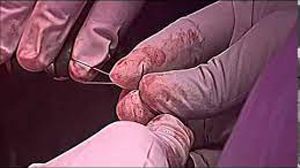
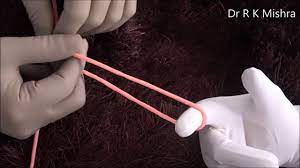
Minimally invasive surgery has revolutionized the field of surgical practice by offering patients faster recovery, less postoperative pain, and reduced hospital stays. A crucial step in any laparoscopic procedure is the creation of a safe entry into the abdominal cavity. Among the different methods available, the Open Access Technique, also known as Hasson’s technique, is one of the most widely used approaches for establishing pneumoperitoneum. What is the Open Access Technique? The Open Access Technique was first described by Hasson in 1971. Unlike the closed (Veress needle) technique, which relies on blind insertion, the open method involves making a small incision at the umbilicus under direct vision and carefully entering the peritoneal cavity. A blunt-tipped trocar is then inserted, allowing safe insufflation of carbon dioxide and initiation of laparoscopy. Steps of the Open Access Technique Patient Positioning – The patient is placed supine under general anesthesia. Incision – A small infra- or trans-umbilical incision (1–2 cm) is made through the skin. Layer-by-Layer Dissection – The subcutaneous tissue and fascia are carefully dissected until the peritoneum is reached. Peritoneal Entry – The peritoneum is gently lifted and incised under direct visualization. Trocar Insertion – A blunt Hasson trocar with a securing sleeve is inserted into the peritoneal cavity. Securing the Port – The trocar is fixed with sutures to prevent gas leakage. Insufflation – Carbon dioxide is introduced to create pneumoperitoneum for laparoscopic surgery. Advantages of the Open Access Technique Direct visualization minimizes the risk of injury to intra-abdominal organs or vessels. Considered safer in patients with previous abdominal surgery where adhesions may be present. Useful in obese patients, where blind techniques may be difficult. Reduces the risk of gas embolism compared to the closed Veress needle technique. Limitations and Challenges Requires more surgical skill and precision to perform correctly. Slightly longer entry time compared to closed methods. Potential for minor wound complications at the umbilical port site. Clinical Applications The open technique is widely preferred in: Gynecological laparoscopy (hysterectomy, myomectomy, ovarian surgeries) General surgery (cholecystectomy, appendectomy, hernia repair) Urological laparoscopy Patients with multiple prior surgeries or suspected adhesions Conclusion The Laparoscopic Open Access Technique remains one of the safest and most reliable methods for establishing pneumoperitoneum. Its emphasis on direct visualization reduces the risks associated with blind insertion and provides surgeons with greater control during the critical first step of laparoscopy. While it requires experience and meticulous technique, the open method continues to play a vital role in enhancing the safety and outcomes of minimally invasive surgery.
Similar Videos