What is da Vinci Robot?
Add to
Share
681 views
Report
9 months ago
Description
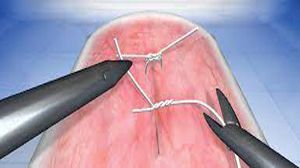
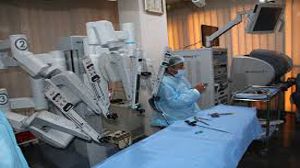
The da Vinci Robot, more accurately known as the da Vinci Surgical System, is an advanced robotic platform used in modern minimally invasive surgery. It was developed to help surgeons perform complex surgical procedures with greater precision, flexibility, and control than is possible with conventional techniques. Rather than replacing the surgeon, the da Vinci system acts as a highly sophisticated tool that translates the surgeon’s hand movements into extremely precise actions inside the patient’s body. The da Vinci Surgical System consists of three main components: a surgeon’s console, a patient-side robotic cart, and a high-definition 3D vision system. The surgeon sits at the console and views a magnified, three-dimensional image of the surgical field. Using hand and foot controls, the surgeon guides robotic arms equipped with specialized surgical instruments. These instruments can rotate and bend more freely than the human wrist, allowing access to narrow and difficult-to-reach areas. One of the most important advantages of the da Vinci robot is its precision and stability. The system filters out natural hand tremors and scales the surgeon’s movements, enabling extremely delicate dissection and suturing. This precision is especially valuable in surgeries involving complex anatomy, such as prostate surgery, gynecological procedures, cardiac surgery, and general surgery. For patients, robotic-assisted surgery using the da Vinci system often results in smaller incisions, less blood loss, reduced pain, fewer complications, and faster recovery compared to traditional open surgery. Hospital stays are usually shorter, and patients can return to normal activities more quickly. In conclusion, the da Vinci Robot represents a major advancement in surgical technology. By combining human expertise with robotic precision, it has transformed the way many surgeries are performed, improving outcomes for patients while enhancing the surgeon’s capabilities. As technology continues to evolve, robotic surgery is expected to play an even greater role in the future of healthcare.
Similar Videos