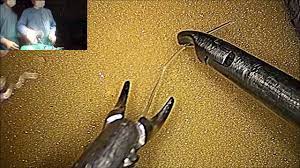
Da vinci robotic surgeon's knot, continuos suturing and aberdeen termination
Add to
Share
1,097 views
Report
8 months ago
Description
The advent of the da Vinci robotic surgical system has significantly transformed the field of minimally invasive surgery by enhancing precision, dexterity, and ergonomics. Among the fundamental skills required for robotic surgeons are mastery of intracorporeal knot tying, continuous suturing techniques, and secure suture termination methods. The surgeon’s knot, continuous suturing, and Aberdeen termination are essential components of advanced robotic suturing, contributing to safe tissue approximation and optimal surgical outcomes. The da Vinci robotic surgeon’s knot is a modified intracorporeal knot that provides enhanced security, especially in situations where tissue tension is high. Using wristed robotic instruments with seven degrees of freedom, the surgeon can replicate and even surpass the movements of the human hand. The surgeon’s knot typically involves an extra wrap in the first throw, which increases friction and prevents loosening before subsequent throws are placed. In robotic surgery, this knot is particularly valuable during anastomosis, fascial closure, and hemostatic suturing, where precise tension control is critical. The magnified three-dimensional vision of the da Vinci system further allows the surgeon to ensure accurate knot placement and uniform tension. Continuous suturing is another widely used technique in robotic surgery due to its efficiency and even distribution of tension along the suture line. With the da Vinci system, continuous suturing becomes more controlled and ergonomic, reducing surgeon fatigue while maintaining consistency. This technique is commonly applied in gastrointestinal anastomosis, peritoneal closure, and uterine or bladder repair. Robotic continuous suturing allows smooth needle handling, precise bite placement, and minimal tissue trauma. However, it requires careful attention to suture tension throughout the length of the suture to avoid ischemia or loosening. The Aberdeen termination is a reliable and elegant method for ending a continuous suture without the need for bulky knots. It involves passing the needle through the final loop in a specific sequence to lock the suture securely. In robotic surgery, Aberdeen termination is particularly advantageous because it reduces knot volume, minimizes foreign material, and lowers the risk of suture-related complications. The precision of robotic instruments makes this technique easier to perform and highly reproducible, even in confined anatomical spaces. In conclusion, the integration of the surgeon’s knot, continuous suturing, and Aberdeen termination within the da Vinci robotic platform represents a blend of traditional surgical principles and modern technology. Mastery of these techniques enhances surgical safety, efficiency, and outcomes. As robotic surgery continues to evolve, proficiency in these suturing and knotting methods remains a cornerstone of advanced minimally invasive surgical practice.
Similar Videos