Advantages of Laparoscopic Surgery
Add to
Share
503 views
Report
9 months ago
Description
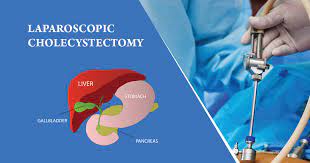
Laparoscopic surgery, also known as minimally invasive surgery, has revolutionized the field of surgery by offering numerous benefits over traditional open surgery. This technique, which involves making small incisions and using specialized instruments such as a camera (laparoscope), provides surgeons with a highly precise and effective way to perform a wide range of procedures. The following are the primary advantages of laparoscopic surgery: 1. Reduced Pain and Discomfort One of the most immediate benefits of laparoscopic surgery is the significant reduction in postoperative pain. Unlike traditional open surgery, which requires large incisions, laparoscopy is performed through small ports. This results in less tissue trauma and nerve damage, leading to minimal postoperative discomfort for the patient. Consequently, the need for narcotic pain medications is also significantly reduced. 2. Smaller Incisions and Minimal Scarring The small incisions used in laparoscopic surgery (typically between 0.5 to 1.5 cm) mean that patients experience smaller, less noticeable scars. For cosmetic reasons, this can be a major advantage, especially in procedures where aesthetics are important, such as cholecystectomy (gallbladder removal) or gynecological surgeries. The reduced scarring also carries a lower risk of incisional hernias. 3. Faster Recovery and Shorter Hospital Stay Laparoscopic surgery allows for a quicker recovery. Patients often resume normal activities much sooner compared to open surgery. The smaller incisions, along with less internal trauma, reduce recovery time and help patients get back to their routine within days rather than weeks. In many cases, laparoscopic surgeries are performed on an outpatient basis, allowing patients to go home the same day, significantly reducing the hospital stay. 4. Lower Risk of Infection Smaller incisions and less exposure of internal organs to the external environment during laparoscopic surgery contribute to a lower risk of infections. The use of sterile instruments and ports minimizes the chance of bacterial contamination. Additionally, laparoscopic techniques cause less tissue disruption, reducing postoperative inflammatory responses, further lowering the chances of complications like wound infections or abscess formation. 5. Less Blood Loss and Need for Transfusions Laparoscopic surgery results in reduced blood loss compared to open surgery due to the minimally invasive nature of the technique. Surgeons have a better view of blood vessels through the magnified laparoscopic camera, allowing precise coagulation and dissection. This leads to less intraoperative blood loss, decreasing the need for blood transfusions, and improving patient outcomes. 6. Better Visualization and Precision The laparoscope provides surgeons with a magnified, high-definition view of the operative field, offering a better visual perspective compared to traditional open surgery. The enhanced visualization allows for meticulous dissection and more precise operations. This precision is especially critical in complex procedures such as cancer surgery, bariatric surgery, and pelvic surgery, where clear differentiation between structures is essential to avoid complications. 7. Lower Risk of Postoperative Complications Due to smaller incisions, reduced tissue handling, and better control during surgery, laparoscopic procedures carry a lower risk of postoperative complications. These include fewer instances of wound infections, reduced chances of postoperative adhesions, and a lower incidence of complications such as deep vein thrombosis (DVT) and pulmonary embolism. The reduced handling of bowel and other organs minimizes the risk of postoperative ileus, improving overall patient recovery. 8. Improved Postoperative Mobility The minimally invasive nature of laparoscopic surgery allows patients to mobilize faster. Early ambulation reduces the risk of complications like bedsores, DVT, and pulmonary issues. Patients can often start walking within hours of surgery, improving overall cardiovascular and respiratory outcomes and reducing the risk of hospital-acquired conditions. 9. Quicker Return to Daily Life Because laparoscopic surgery involves less physical trauma and faster recovery times, patients are able to return to their normal daily activities much sooner than with open surgery. 10. Cost-Effectiveness While the initial cost of laparoscopic surgery can be higher due to the advanced technology and specialized equipment, the overall cost is often lower when factoring in the shorter hospital stay, fewer postoperative complications, and quicker recovery. Contact us World Laparoscopy Hospital Cyber City, Gurugram NCR Delhi, India World Laparoscopy Training Institute Bld.No: 27, DHCC, Dubai, UAE World Laparoscopy Training Institute 5401 S Kirkman Rd Suite 340 Orlando, FL 32819, USA
Similar Videos