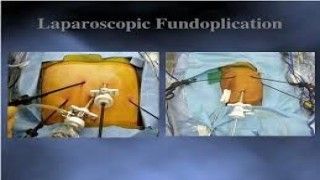
Dr R K Mishra explaining laparoscopic instrument design
Add to
Share
535 views
Report
7 months ago
Description
In this video, we will discuss that The evolution of minimally invasive surgery (MIS) has transformed the surgical landscape, and at the heart of this transformation lies the design of laparoscopic instruments. In this video titled "Laparoscopic Instrument Design: Crafting Precision Tools for Modern Minimally Invasive Surgery," we delve into the intricate engineering behind the tools that empower surgeons to perform complex procedures through small incisions—safely, effectively, and with precision. Understanding the Fundamentals of Laparoscopic Instrument Design Laparoscopic instruments must meet specific criteria: they need to be long, slender, ergonomically balanced, and capable of high-precision movements inside a confined anatomical space—all while being manipulated externally. These tools are introduced through 5 mm or 10 mm ports (trocars) and are visualized via a laparoscope connected to a high-definition camera. This video explains the key design features that make these instruments effective in today’s operating rooms: Shaft and Length Optimization Laparoscopic instruments are typically 33 to 45 cm long, allowing surgeons to reach deep intra-abdominal structures. The shaft is often insulated to support energy-based dissection and prevent accidental burns. Ergonomic Handle Design Handles are crafted to reduce surgeon fatigue and enable one-handed operation, with configurations such as ring handles, pistol grips, or ratchet locking mechanisms that provide stability during prolonged procedures. Tip Functionality and Articulation Whether it’s a grasper, dissector, needle holder, or scissors, the working end must offer 360° rotation, precise jaw control, and reliable mechanical feedback—allowing for delicate tissue handling and surgical precision. Integration with Energy Sources Modern laparoscopic instruments are compatible with monopolar, bipolar, and ultrasonic energy systems (e.g., Harmonic, Ligasure), allowing simultaneous cutting and coagulation, essential in vascular procedures. Material and Sterilization Compatibility Crafted from high-grade stainless steel and polymer composites, these instruments are designed to withstand repeated autoclaving and chemical sterilization, ensuring long-term durability and patient safety. Types of Instruments Featured in the Video Access Devices: Trocars, Veress needles Grasping Tools: Atraumatic and traumatic graspers Dissectors and Scissors: Maryland, right angle, hook scissors Suturing Tools: Needle holders, knot pushers Energy Devices: Harmonic scalpel, Ligasure, hook cautery Support Tools: Clip applicators, suction-irrigation systems Design Impact on Surgical Practice Well-designed laparoscopic instruments directly impact surgical performance by: Enhancing surgeon dexterity and comfort Reducing tissue trauma and operative time Improving visual access and anatomical accuracy Ensuring faster patient recovery and better cosmetic outcomes This video highlights how engineering innovation is continuously refining these tools to match the growing complexity of laparoscopic and robotic-assisted procedures. Conclusion Laparoscopic instrument design is not just about mechanical engineering—it’s about enabling precision, promoting surgical excellence, and improving patient outcomes. As technology advances, the integration of smart design with surgical technique continues to revolutionize the future of minimal access surgery.
Similar Videos