Total Laparoscopic Hysterectomy: Complete Skin-to-Skin in 19 Minutes at World laparoscopy Hospital
Add to
Share
814 views
Report
8 months ago
Description
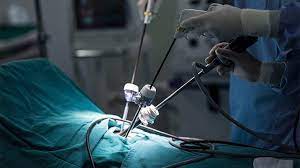
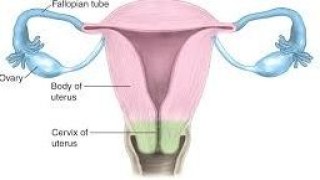
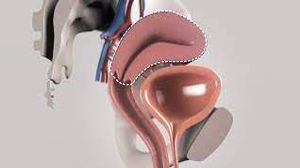
Total Laparoscopic Hysterectomy (TLH) represents one of the most significant advancements in minimally invasive gynecologic surgery. Traditionally, hysterectomy—a surgical procedure to remove the uterus—was performed via a large abdominal incision, requiring extended hospital stays, significant postoperative pain, and prolonged recovery. With the advent of laparoscopy, the operation shifted to small keyhole incisions, offering reduced trauma, faster recovery, fewer complications, and improved patient satisfaction. However, even among laparoscopic procedures, achieving both safety and speed at the highest level remains a challenge. It is in this context that the accomplishment of Dr. R.K. Mishra, performing a complete TLH “skin-to-skin” in 19 minutes at the World Laparoscopy Hospital, stands as a remarkable milestone, demonstrating what is possible through exceptional expertise, meticulous technique, and disciplined surgical protocol. Understanding Total Laparoscopic Hysterectomy Total Laparoscopic Hysterectomy is a procedure in which the entire uterus, including the cervix, is removed using laparoscopic instruments introduced through small abdominal incisions. Unlike vaginal hysterectomy, TLH allows the surgeon to visualize the anatomy directly and manage complex situations like adhesions, endometriosis, or prior surgeries. The laparoscope—a slender instrument with a camera—projects the surgical field onto a monitor, enabling precision and magnification that enhance the surgeon’s ability to navigate delicate structures. The procedure typically involves dissection of the uterine ligaments, ligation and division of blood vessels, separation of the uterus from the vagina, and extraction of the uterus through a small incision or via the vagina. The Significance of a 19-Minute “Skin-to-Skin” “Surgery time” is often measured from the moment the first incision is made (skin) to the completion of the final closure (skin). Recording a complete TLH in 19 minutes is far beyond average operative durations seen in most settings, where times may range from roughly 60 minutes to several hours, depending on case complexity. A 19-minute TLH indicates extraordinary efficiency without compromising surgical safety or outcomes. It is important to clarify that rapidity in surgery is meaningful only when it coexists with strict adherence to the principles of surgical safety: asepsis, careful tissue handling, meticulous hemostasis (control of bleeding), and complete resolution of the underlying pathology. Dr. R.K. Mishra’s achievement is not merely about speed but reflects mastery in all these dimensions of surgical performance. Dr. R.K. Mishra and the World Laparoscopy Hospital Dr. R.K. Mishra is a globally recognized figure in minimally invasive surgery and the founder of the World Laparoscopy Hospital in Gurugram, India—an institution dedicated to training surgeons from across the world in advanced laparoscopic techniques. With an emphasis on evidence-based practice, disciplined methodology, and hands-on training, the hospital has contributed significantly to disseminating high standards of laparoscopic surgery internationally. Dr. Mishra himself is known for pioneering and refining several laparoscopic procedures and for mentoring thousands of surgeons in achieving surgical excellence. The 19-minute TLH exemplifies the culmination of Dr. Mishra’s philosophy: that complex surgical procedures can and should be performed with maximal safety, minimal invasiveness, and optimal efficiency. Such efficiency benefits patients directly—reducing time under anesthesia, minimizing operative stress, lowering the risk of infection, and facilitating faster recovery and shorter hospital stays. Technical and Educational Implications Achieving a 19-minute TLH involves multiple technical elements: Preparation and Planning: Preoperative evaluation, imaging, and anesthesia planning must be precise to anticipate challenges and streamline the process. Team Coordination: Efficient surgery requires an orchestrated team effort—including anesthesiologists, nurses, and surgical assistants—each familiar with the procedure and synchronized in their roles. Instrumentation and Setup: A well-organized operating room with readily accessible instruments, advanced energy devices for cutting and coagulation, and reliable laparoscopic cameras is crucial. Surgeon Skill: Mastery of anatomy, dexterity with laparoscopic instruments, and the ability to troubleshoot unforeseen difficulties rapidly and safely define an expert surgeon. From an educational standpoint, Dr. Mishra’s demonstration offers a valuable model for surgical training programs. It emphasizes that speed is not an end in itself but a byproduct of deep understanding, practiced skills, consistent technique, and disciplined workflow. Trainees exposed to such high-performance models can internalize systematic approaches that elevate their own practice. Patient Outcomes and Broader Impact For patients, the practical advantages of such high-efficiency TLH are compelling. Shorter operative times can translate into less anesthesia exposure, decreased intraoperative blood loss, reduced postoperative pain, and earlier ambulation. Patients can often return to normal activities sooner, which not only improves quality of life but also reduces economic burdens associated with longer recovery periods. Moreover, accomplishments like this help bolster the reputation of centers like the World Laparoscopy Hospital as leaders in surgical innovation, attracting global attention and elevating standards of care. They contribute to advancing the field of minimally invasive surgery by setting benchmarks that motivate continuous improvement. Conclusion The performance of a complete Total Laparoscopic Hysterectomy in 19 minutes by Dr. R.K. Mishra at the World Laparoscopy Hospital symbolizes the pinnacle of surgical proficiency in minimally invasive gynecology. It reflects years of dedication to refining technique, enhancing training, and pursuing excellence. While not every case will or should be completed in such a short duration, the achievement stands as a testament to what disciplined practice and surgical mastery can accomplish—ultimately benefiting patients through safer, faster, and more effective surgical care.
Similar Videos