Advanced Robotic Approach to Incisional Hernia Repair | Complete Technique & Minimal Access Surgery
Add to
Share
783 views
Report
8 months ago
Description
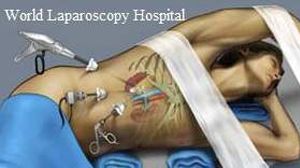
Incisional hernia is a common long-term complication following abdominal surgery, resulting from weakness in the surgical scar and surrounding abdominal wall. With advancements in minimally invasive surgery, the management of incisional hernia has evolved significantly. Among these innovations, the advanced robotic approach to incisional hernia repair represents a major breakthrough, offering enhanced precision, safety, and superior patient outcomes. At World Laparoscopy Hospital (WLH), this technique is practiced as part of comprehensive minimal access surgical care. Robotic incisional hernia repair combines the principles of laparoscopic surgery with state-of-the-art robotic technology. The robotic platform provides the surgeon with a high-definition, three-dimensional view of the operative field along with articulated instruments that mimic the natural movements of the human wrist. This allows meticulous dissection, accurate identification of tissue planes, and precise suturing, which are often challenging with conventional laparoscopy, especially in complex or recurrent hernias. The complete surgical technique begins with careful patient positioning and port placement to optimize ergonomic access. Adhesiolysis is performed under magnified vision, minimizing the risk of bowel injury. The hernia defect is then clearly defined, followed by primary closure using advanced suturing techniques. A prosthetic mesh is placed in an optimal anatomical plane—often preperitoneal or retromuscular—and securely fixed to reinforce the abdominal wall. Robotic assistance enables tension-free closure and uniform mesh placement, reducing recurrence rates. One of the key advantages of the robotic approach is its alignment with the goals of minimal access surgery. Patients benefit from smaller incisions, reduced postoperative pain, minimal blood loss, and faster recovery compared to open repair. The precision of robotics also lowers the incidence of surgical site infections and postoperative complications, making it particularly beneficial for obese patients or those with large and complex hernias. At WLH, robotic incisional hernia repair is not only a clinical service but also an educational platform. Surgeons are trained through structured programs that emphasize anatomy, step-by-step technique, and safe robotic handling. This ensures that the benefits of advanced technology are delivered with consistency and excellence. In conclusion, the advanced robotic approach to incisional hernia repair marks a significant advancement in abdominal wall surgery. By integrating a complete, well-defined technique with the principles of minimal access surgery, WLH continues to set high standards in patient care, surgical education, and innovation in robotic surgery.
Similar Videos