Combined Laparoscopic Cholecystectomy and Risk-Reducing Bilateral Salpingectomy
Add to
Share
301 views
Report
3 months ago
Description
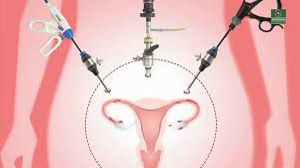
Combined laparoscopic procedures are becoming increasingly popular due to their safety, effectiveness, and faster recovery. In patients with BRCA1 gene mutation who also suffer from symptomatic gallbladder disease, performing laparoscopic cholecystectomy together with risk-reducing bilateral salpingectomy offers an excellent minimally invasive solution. BRCA1 mutation carriers have a significantly increased lifetime risk of developing ovarian and breast cancers. Studies suggest that many ovarian cancers may originate in the fallopian tubes. Because of this, prophylactic bilateral salpingectomy has emerged as an important preventive strategy to reduce future cancer risk. At the same time, gallstone disease remains a common surgical condition causing abdominal pain, nausea, indigestion, and recurrent biliary colic. Laparoscopic cholecystectomy is considered the gold standard treatment for gallbladder removal due to minimal postoperative pain, small incisions, and early recovery. Combining these two procedures in a single operative session provides multiple benefits. The patient undergoes only one anesthesia exposure and one hospital admission, reducing overall surgical stress and healthcare costs. Recovery is also faster compared to undergoing two separate surgeries. The procedure begins with laparoscopic cholecystectomy, where the gallbladder is carefully dissected and removed after securing the cystic duct and artery. Following this, attention is shifted to the pelvis, where both fallopian tubes are identified and safely removed while preserving the ovaries whenever appropriate. Most patients recover quickly after combined laparoscopic surgery. Early mobilization, reduced postoperative discomfort, and shorter hospital stay are major advantages of this minimally invasive approach. Combined laparoscopic cholecystectomy and risk-reducing bilateral salpingectomy represent a modern multidisciplinary surgical strategy that addresses both symptomatic disease and long-term cancer prevention in BRCA1 carriers. This approach highlights the evolving role of preventive surgery in improving patient outcomes and quality of life.
Similar Videos