Two-Port Laparoscopic Cholecystectomy with TAP Block | Advanced Minimally Invasive Surgery
Add to
Share
293 views
Report
1 month ago
Description
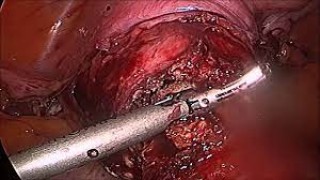
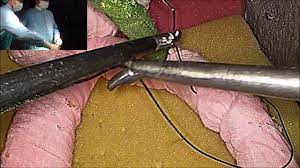
Two-Port Laparoscopic Cholecystectomy with TAP Block represents an advanced approach to minimally invasive gallbladder surgery, combining reduced-port laparoscopic access with an effective regional analgesic technique. In this educational surgical video, the procedure demonstrates the principles of performing laparoscopic cholecystectomy through only two ports while incorporating a Transversus Abdominis Plane (TAP) Block as part of perioperative pain management. Laparoscopic cholecystectomy is one of the most commonly performed minimally invasive surgical procedures for symptomatic gallstone disease and gallbladder pathology. The two-port technique aims to reduce the number of abdominal access sites while maintaining adequate visualization, safe dissection, and precise handling of the gallbladder and surrounding anatomy. Successful reduced-port surgery requires excellent knowledge of laparoscopic anatomy, careful port placement, appropriate triangulation or alternative instrument positioning, and advanced hand-eye coordination. The TAP Block is an important component of multimodal analgesia. By delivering local anesthetic within the appropriate fascial plane of the abdominal wall, it may help reduce postoperative abdominal wall pain and contribute to improved patient comfort. When combined with minimally invasive surgery, effective pain management can support early mobilization and recovery, although the choice and performance of regional anesthesia should always be individualized according to the patient and institutional protocols. This video is particularly valuable for surgeons, gynecologists, surgical residents, fellows, and medical professionals interested in advanced minimal access surgery. It highlights the importance of surgical ergonomics, controlled tissue handling, identification of critical anatomy, secure management of the cystic structures, and safe gallbladder removal. The demonstration also emphasizes that reduced-port surgery should never compromise patient safety. Appropriate patient selection, adequate visualization, meticulous dissection, and readiness to add ports when necessary remain essential principles of safe laparoscopic surgery. The technique provides an excellent example of how modern minimal access surgery continues to evolve toward less invasive approaches while maintaining established standards of surgical safety.
Similar Videos