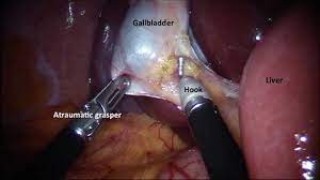
Robotic TAPP Umbilical Hernia Repair Using da Vinci Robot | Mesh Placement at WLH
Add to
Share
3 views
Report
1 hour ago
Description
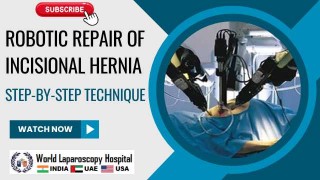
Watch this detailed surgical video demonstrating Robotic TAPP (Transabdominal Preperitoneal) Umbilical Hernia Repair using the da Vinci Robotic Surgical System at World Laparoscopy Hospital. The video presents the important steps involved in minimally invasive robotic management of an umbilical hernia, including abdominal access, robotic port placement, identification of the hernia defect, dissection of the preperitoneal plane, reduction of the hernia contents, and preparation of the abdominal wall for mesh reinforcement. Robotic TAPP hernia repair provides surgeons with enhanced visualization, precise instrument control, and improved ergonomics during complex dissection and reconstruction. The robotic platform can facilitate meticulous separation of tissue planes and accurate mesh positioning, particularly when working in anatomically challenging areas of the abdominal wall. In this surgical video, viewers can observe the principles of preperitoneal mesh repair, including careful dissection around the umbilical hernia defect and creation of an adequate space for mesh placement. Appropriate mesh overlap and secure positioning are important components of achieving durable abdominal wall reinforcement while maintaining the integrity of the peritoneal covering. The video is particularly useful for surgeons, gynecologists, surgical trainees, fellows, and medical professionals interested in robotic surgery, abdominal wall reconstruction, TAPP techniques, and minimally invasive hernia surgery. It provides an educational overview of how robotic technology can be incorporated into modern hernia repair while emphasizing anatomical identification, controlled dissection, defect management, and mesh-based reinforcement. This educational surgical content from World Laparoscopy Hospital highlights the continuing evolution of minimally invasive and robotic approaches to abdominal wall surgery and demonstrates the importance of detailed anatomical knowledge and structured operative technique in robotic hernia repair.
Similar Videos