Laparoscopic Abdominal Entry: Techniques for Optical and Working Port Placement
Add to
Share
8 views
Report
8 hours ago
Description
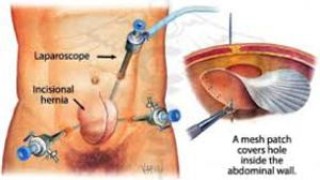
Safe and effective laparoscopic surgery begins before the first dissection. Abdominal entry and port placement are foundational surgical skills that influence visualization, instrument movement, ergonomics, operative efficiency, and patient safety. A well-planned optical port provides an appropriate view of the operative field, while correctly positioned working ports allow the surgeon to dissect, retract, suture, clip, coagulate, and perform other surgical maneuvers with controlled instrument angles. This surgical skills lecture by Dr. R.K. Mishra focuses on the principles of laparoscopic abdominal entry and the strategic placement of optical and working ports. The educational approach emphasizes that trocar placement should not simply follow a fixed abdominal landmark. Instead, port position should be planned according to the target anatomy, procedure, instrument length, patient factors, and required surgical ergonomics. WLH teaching material describes safe entry methods including Veress needle access, open Hasson entry, optical trocars, alternative entry sites, and the Baseball Diamond Concept for ergonomic port positioning. Why Abdominal Entry Is a Critical Step Laparoscopic surgery requires access to the peritoneal cavity through a limited number of small incisions. The first entry therefore creates the foundation for everything that follows. An improperly planned entry can make the entire procedure technically difficult. Similarly, a poorly positioned working port may force the surgeon to operate at an unfavorable angle, cause instrument collision, reduce triangulation, impair suturing, or increase physical strain. For this reason, abdominal entry should be considered a deliberate surgical step rather than simply a method of inserting the first trocar. The surgeon needs to evaluate the planned procedure and determine where the telescope and working instruments should be positioned before creating the ports. Optical Port and Working Ports The optical port provides access for the laparoscope and establishes the principal visual perspective of the operation. Its position determines the relationship between the camera, target organ, and working instruments. The working ports are positioned to provide appropriate instrument access to the target. They should allow the surgeon to approach the anatomy from useful angles while maintaining sufficient freedom of movement. The relationship between these ports is more important than any single abdominal landmark. For different operations, the optical port may be umbilical, supraumbilical, or positioned elsewhere according to the target anatomy. WLH teaching material describes several recognized optical-port locations, including supraumbilical, infraumbilical, superior and inferior umbilical creases, transumbilical access, and Palmer's point. Port Planning in General Surgery General surgical procedures also require individualized port planning. For laparoscopic cholecystectomy, appendectomy, TAPP hernia repair, bariatric surgery, colorectal procedures, and upper gastrointestinal surgery, the target anatomy determines the optimal camera and working-port configuration. WLH teaching materials provide procedure-specific examples demonstrating how port placement changes according to the anatomy being approached.
Similar Videos