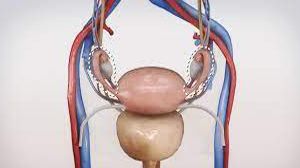
ICG Tubal Patency Test | Fluorescence-Guided Laparoscopic Chromopertubation
Add to
Share
9 views
Report
8 hours ago
Description
Explore an advanced method of assessing fallopian tube patency in this educational surgical video from World Laparoscopy Hospital (WLH). The demonstration focuses on laparoscopic chromopertubation using indocyanine green (ICG) and fluorescence imaging to visualize the passage of dye through the fallopian tubes. Fallopian tube patency is an important consideration during the evaluation of female infertility. The fallopian tubes play a vital role in natural conception by allowing the egg and sperm to meet and facilitating the transport of the fertilized egg towards the uterus. Blockage or damage to the tubes can interfere with this process. Laparoscopic chromopertubation is a diagnostic procedure in which dye is introduced through the cervix into the uterine cavity while the surgeon observes its passage through the fallopian tubes. When ICG fluorescence imaging is used, the dye can be visualized with a compatible near-infrared laparoscopic imaging system. Understanding Fallopian Tube Patency The fallopian tubes are delicate structures connecting the uterus with the regions near the ovaries. Their function is essential for natural conception. A tube is considered patent when there is an open pathway that allows fluid to pass through it. Tubal blockage may be associated with: Previous pelvic inflammatory disease. Endometriosis and pelvic adhesions. Previous pelvic or abdominal surgery. Previous ectopic pregnancy. Tubal damage or scarring. Congenital abnormalities of the reproductive tract. Some women with tubal disease may have no symptoms and discover the condition only during an infertility evaluation. What Is Laparoscopic Chromopertubation? Chromopertubation is a procedure used during laparoscopy to assess whether the fallopian tubes are open. A suitable dye is introduced through a cervical cannula into the uterine cavity. The surgeon observes whether the dye passes through the fallopian tubes and spills from their fimbrial ends into the peritoneal cavity. Visible passage of dye provides evidence of tubal patency at the time of examination. If dye does not pass through a tube, possible explanations include tubal obstruction, spasm, technical factors, or inadequate pressure. The finding must be interpreted in the context of the complete clinical picture. Role of ICG Fluorescence Imaging Indocyanine green is a fluorescent dye that can be visualized using a compatible near-infrared imaging system. When used for tubal assessment, the dye is introduced through the cervix, and the surgeon observes its passage through the reproductive tract using fluorescence imaging. This approach can provide additional visualization during laparoscopic evaluation. The fluorescence signal may help the surgeon identify dye movement and assess spill from the fimbrial end of the tube. The technique requires appropriate equipment, correct dye preparation, and a compatible imaging system. ICG fluorescence is an imaging aid; it does not independently establish the functional quality of the fallopian tube or guarantee future fertility.
Similar Videos