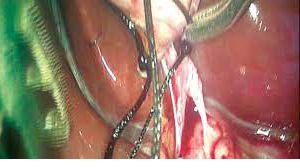
Robotic Breast Cancer Surgery | Nipple-Sparing Mastectomy & Reconstruction at WLH
Add to
Share
5 views
Report
4 hours ago
Description
Explore the evolving role of robotic-assisted surgery in breast cancer treatment through this educational video on Robotic Nipple-Sparing Mastectomy (RNSM) and breast reconstruction at World Laparoscopy Hospital (WLH). Nipple-sparing mastectomy is a specialized breast surgery in which breast glandular tissue is removed while preserving the nipple-areola complex and the surrounding breast skin envelope when oncologically appropriate. The procedure may be considered for carefully selected patients with breast cancer or certain high-risk conditions, depending on tumor characteristics, nipple involvement, breast anatomy, and individual treatment requirements. Robotic-assisted techniques have introduced another approach to performing selected breast operations through carefully planned incisions, often positioned away from the breast. The robotic platform provides magnified three-dimensional visualization and articulated instruments that may assist with precise dissection in a confined operative space. What Is Robotic Nipple-Sparing Mastectomy? Robotic nipple-sparing mastectomy is a minimally invasive approach in which the surgeon uses a robotic surgical system to assist in removing breast glandular tissue while preserving the nipple-areola complex and skin envelope when safe and appropriate. The primary objective remains complete and appropriate removal of breast tissue according to oncological principles. Preservation of the nipple does not compromise the requirement for adequate cancer clearance. Important Steps in the Surgical Technique 1. Preoperative Assessment and Patient Selection Careful evaluation is essential before considering nipple-sparing mastectomy. The multidisciplinary team assesses tumor location, size, distance from the nipple, imaging findings, breast anatomy, skin condition, and the patient's treatment preferences. Nipple preservation is appropriate only when the risk of nipple involvement is acceptably low and the procedure is consistent with oncological safety. 2. Incision Planning and Surgical Access The incision is planned according to the patient's anatomy, breast characteristics, and the intended reconstructive approach. Robotic-assisted techniques may use an incision positioned away from the nipple-areola complex to facilitate access to the breast tissue. 3. Robotic System Docking The robotic system is positioned and docked according to the selected operative technique. The surgeon controls the robotic instruments from the console while the surgical team assists at the bedside. 4. Breast Tissue Dissection The breast glandular tissue is carefully separated from the overlying skin envelope and underlying structures. Maintaining appropriate tissue thickness is important to preserve skin and nipple viability while ensuring adequate removal of breast tissue. 5. Nipple-Areola Complex Assessment The nipple-areola complex is preserved only when clinically appropriate. Retroareolar tissue assessment and pathological evaluation, according to the institutional protocol, help determine whether nipple preservation is oncologically acceptable. 6. Specimen Removal and Pathological Examination The removed breast tissue is extracted through the planned incision and sent for histopathological examination. Pathological assessment helps evaluate surgical margins and other important disease characteristics.
Similar Videos