The Journey of Minimally Invasive Surgery | Dr. R. K. Mishra on Laparoscopy to Robotics
Add to
Share
4 views
Report
35 minutes ago
Description
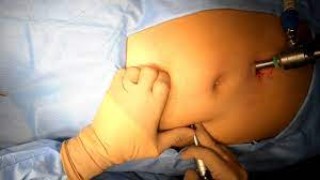
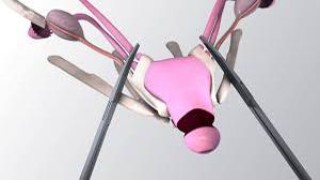
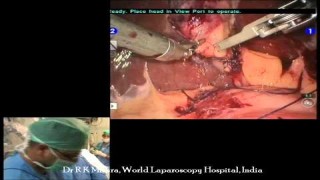
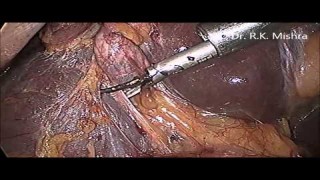
From looking through an eyepiece to operating through an advanced robotic console, the journey of minimally invasive surgery represents one of the most significant technological transformations in modern surgery. In this educational presentation, Dr. R. K. Mishra explores the evolution of laparoscopic surgery, tracing the development of surgical visualization, instrumentation, operative techniques, and robotic-assisted technology. The discussion highlights how innovations in optics, camera systems, digital imaging, ergonomics, and surgical instruments have changed the way surgeons approach complex operations. The Early Era: Surgery Through the Eyepiece The development of minimally invasive surgery began with the ability to visualize internal organs using optical instruments. Early laparoscopic procedures relied on direct optical viewing through an eyepiece, requiring surgeons to develop specialized hand-eye coordination and instrument control. These early techniques laid the foundation for modern laparoscopy and introduced a different way of approaching abdominal and pelvic surgery. The Video Laparoscopy Revolution The introduction of video camera systems transformed laparoscopic surgery. Instead of looking directly through an eyepiece, surgeons could observe the operative field on a monitor. This advancement brought several important changes: Shared visualization for the entire operating-room team. Improved teaching and surgical demonstrations. Development of advanced laparoscopic instruments. Better integration of energy devices and imaging systems. Wider adoption of minimally invasive procedures. New opportunities for surgical simulation and skills training. Video laparoscopy helped expand minimally invasive surgery across general surgery, gynecology, urology, gastrointestinal surgery, and other specialties. The Development of Advanced Laparoscopic Surgery As technology progressed, surgeons began performing increasingly complex procedures through small incisions. Laparoscopic cholecystectomy, hernia repair, hysterectomy, myomectomy, colorectal surgery, bariatric surgery, and many other procedures became important components of modern minimally invasive practice. The evolution was not limited to instruments and cameras. It also involved improvements in surgical anatomy education, intracorporeal suturing, knot tying, tissue handling, energy devices, and operative planning. Surgeons had to develop new technical skills while maintaining the same fundamental principles of surgical safety and patient care.
Similar Videos