Pediatric Laparoscopic Cholecystectomy and Appendectomy in Same Patient by Two Ports
Add to
Share
892 views
Report
11 months ago
Description
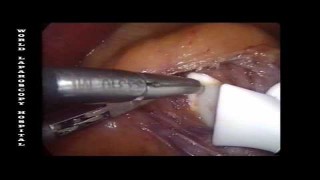
Minimally invasive surgery has transformed pediatric surgery by reducing postoperative pain, hospital stay, and cosmetic concerns. Performing two procedures simultaneously in children, such as cholecystectomy and appendectomy, using minimal ports, represents an advanced approach that enhances patient comfort and surgical efficiency. Introduction: Pediatric patients with coexisting gallbladder and appendiceal pathology pose unique challenges. Traditionally, these procedures are performed separately or with multiple laparoscopic ports, increasing operative time, trauma, and recovery duration. The use of two-port laparoscopic surgery offers a significant advantage by reducing incisions while maintaining surgical safety and effectiveness. Surgical Technique: The procedure is performed under general anesthesia. The key steps include: Port Placement: Two ports are strategically placed—usually a 10mm umbilical port for the camera and a 5mm working port in the left or right lower quadrant for instrumentation. Cholecystectomy: The gallbladder is carefully dissected using standard laparoscopic techniques. The cystic duct and artery are identified, clipped, and divided. The gallbladder is then separated from the liver bed and extracted through the umbilical port. Appendectomy: Using the same two ports, the appendix is identified, mobilized, and removed. The mesoappendix is cauterized, and the base is secured with an endoloop or stapler, followed by extraction. Closure: Ports are removed, and minimal skin incisions are closed with absorbable sutures, leaving virtually invisible scars. Advantages: Minimal invasiveness: Only two small incisions are required. Reduced postoperative pain: Fewer ports lead to less trauma. Faster recovery: Early mobilization and shorter hospital stay. Cosmetic benefit: Small scars are particularly important in pediatric patients. Cost-effective: Performing two procedures in a single session reduces anesthesia and hospital costs. Challenges: Requires advanced laparoscopic skills due to limited instrumentation. Careful planning is needed for port positioning to allow access to both gallbladder and appendix. Patient selection is crucial to ensure safety and feasibility. Conclusion: Two-port laparoscopic cholecystectomy and appendectomy in the same pediatric patient is a feasible and effective approach. It embodies the principles of minimally invasive surgery, offering reduced trauma, faster recovery, and excellent cosmetic results. With proper training and expertise, this technique can become a standard approach for selected pediatric patients requiring multiple abdominal procedures.
Similar Videos