Laparoscopic Management of Dermoid Ovarian Cysts: A Comprehensive Stepwise Approach
Add to
Share
2,471 views
Report
10 months ago
Description
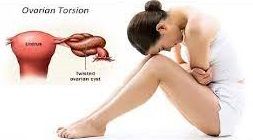
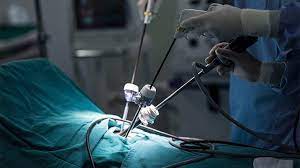
Dermoid ovarian cysts, also known as mature cystic teratomas, are among the most common benign ovarian tumors in reproductive-age women. Their unique composition—containing elements like hair, fat, bone, and teeth—makes their surgical management delicate, especially when preservation of fertility and minimal postoperative morbidity are key goals. At World Laparoscopy Hospital (WLH), the laparoscopic approach to dermoid cyst removal is refined into a safe, standardized, and evidence-based stepwise technique that ensures optimal outcomes for patients. Introduction to Dermoid Cysts Dermoid cysts arise from germ cells and often remain asymptomatic. However, complications such as: Ovarian torsion Infection Rupture Rapid enlargement may necessitate surgical intervention. Laparoscopy has become the gold standard for managing these cysts due to its precision and reduced tissue trauma. Stepwise Laparoscopic Approach at WLH 1. Preoperative Evaluation Before surgery, patients undergo: Pelvic ultrasound, sometimes supported by MRI for anatomical clarity CA-125 testing to rule out malignancy Detailed counseling regarding fertility, ovarian reserve, and surgical expectations WLH emphasizes thorough assessment to tailor the approach to each patient. 2. Patient Positioning & Port Placement The patient is placed in lithotomy with Trendelenburg tilt to allow optimal visualization of pelvic organs. A standard 3-port or 4-port technique is used depending on the cyst size and surgeon preference. Typical positioning includes: Umbilical camera port (10 mm) Two 5 mm working ports lateral to the rectus muscles Optional suprapubic port This configuration provides excellent maneuverability and minimizes the risk of cyst rupture. 3. Ovarian Exposure & Adhesiolysis After entering the pelvic cavity: The ovary is gently mobilized Any adhesions from previous inflammation or torsion are carefully dissected The ovarian ligament is elevated to stabilize the ovary WLH surgeons prioritize atraumatic handling to protect ovarian tissue and preserve function. 4. Cystectomy Technique (Stripping Method) The cyst wall is identified and meticulously separated from normal ovarian tissue. Key steps include: Creating a cortical incision with monopolar scissors Hydrodissection to define tissue planes Blunt and sharp dissection to peel the cyst wall away This technique prevents excessive loss of ovarian tissue, essential for reproductive-age women. 5. Prevention of Cyst Rupture Dermoid cyst contents can cause chemical peritonitis if spilled. WLH follows strict measures to avoid rupture: Complete dissection before extraction Minimal traction on cyst wall Use of an endobag for retrieval Even if spillage occurs, thorough irrigation is performed to prevent complications. 6. Controlled Removal Using Endobag Once freed, the cyst is placed in an endobag and brought out through the umbilical port. Inside the bag, if the cyst is too large: Controlled aspiration Mini-extraction through extended port site This ensures no material contaminates the peritoneal cavity. 7. Hemostasis & Ovarian Reconstruction After cyst removal: Bipolar cautery achieves hemostasis Ovarian edges are approximated using fine absorbable sutures Meticulous reconstruction ensures: Restoration of ovarian shape Preservation of reserve Prevention of postoperative adhesions 8. Final Irrigation & Inspection The pelvis is irrigated with warm saline to remove any residual debris. Surgeons ensure: No bleeding No spillage No injury to nearby organs A final inspection confirms a clean operative field. 9. Postoperative Care & Recovery Patients typically recover quickly due to minimal invasiveness. Benefits include: Early ambulation Minimal postoperative pain Quick discharge (same day or next day) Short return-to-work period WLH provides postoperative fertility counseling and monitoring to ensure long-term well-being. Why Laparoscopy at WLH Is the Best Approach World Laparoscopy Hospital is globally recognized for excellence in minimally invasive surgery. Their approach to dermoid cyst management stands out due to: Highly skilled laparoscopic surgeons Use of advanced imaging and instrumentation Strict protocols for safety and fertility preservation Updated evidence-based techniques Training programs producing globally competent surgeons Conclusion Laparoscopic management of dermoid ovarian cysts is a safe, precise, and fertility-preserving approach. The stepwise, meticulously practiced technique at World Laparoscopy Hospital ensures minimal complications, rapid recovery, and excellent long-term outcomes. Through its structured and advanced surgical methodology, WLH continues to set international standards in gynecological minimally invasive surgery.
Similar Videos